

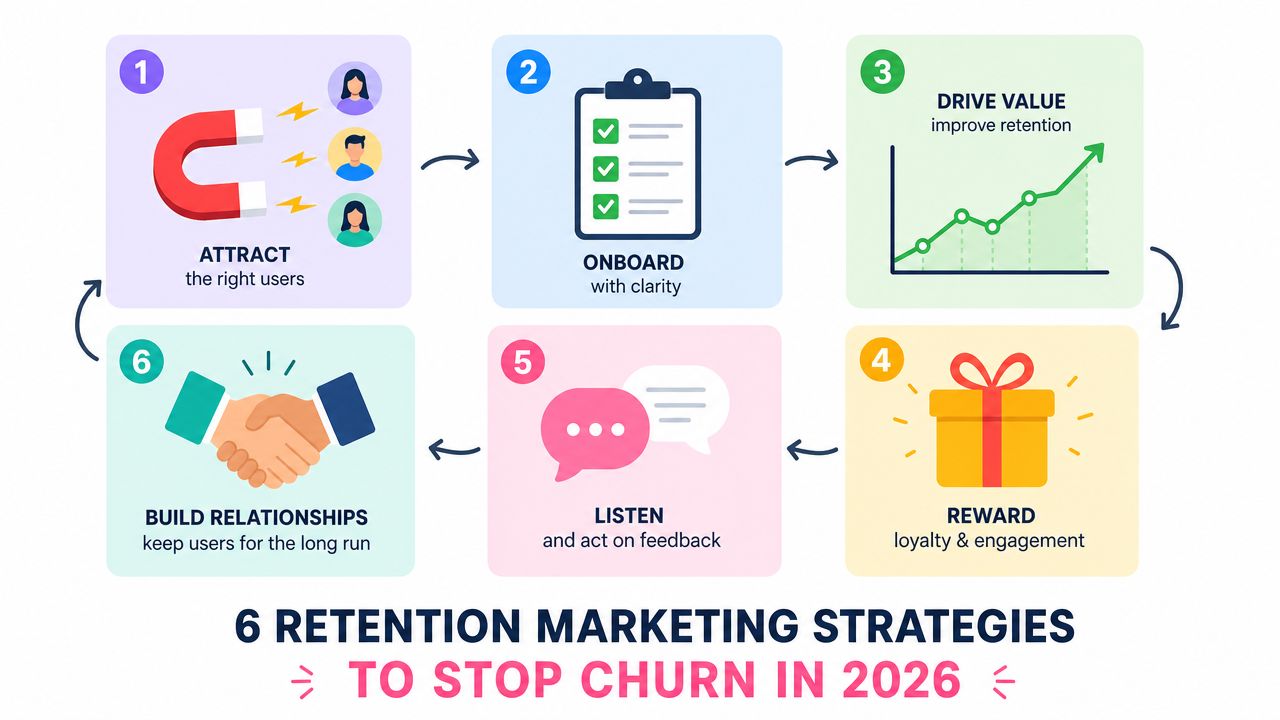
Acquisition is vanity. Retention is sanity.
Everyone loves the shiny stuff. New logos. New pipeline. New campaigns with screenshots for the board deck. Meanwhile, the clients you already fought to win are sitting there asking a very reasonable question: “Are these people still useful, or should we start shopping?”
That's the part too many teams miss. They treat retention like a polite follow-up email and a quarterly discount. Cute. But weak.
The math has been screaming at people for years. Email marketing still leads retention effectiveness at 56%, ahead of social media at 37%, content marketing at 32%, and referral marketing at 26%. In other words, the boring, foundational stuff still pays the bills while everyone else is busy chasing the latest growth hack on LinkedIn.
And yet, most established businesses still put more budget into acquisition than retention, typically 60 to 70% toward acquisition and 30 to 40% toward retention. I get it. New customers are exciting. Retention feels like flossing. Necessary, rarely glamorous, and you only regret skipping it later.
If you run a B2B company, a SaaS product, or a platform business, retention marketing strategies aren't optional. They're the difference between a durable company and an expensive treadmill.
Here are the 10 retention marketing strategies I wish someone had handed me on day one.
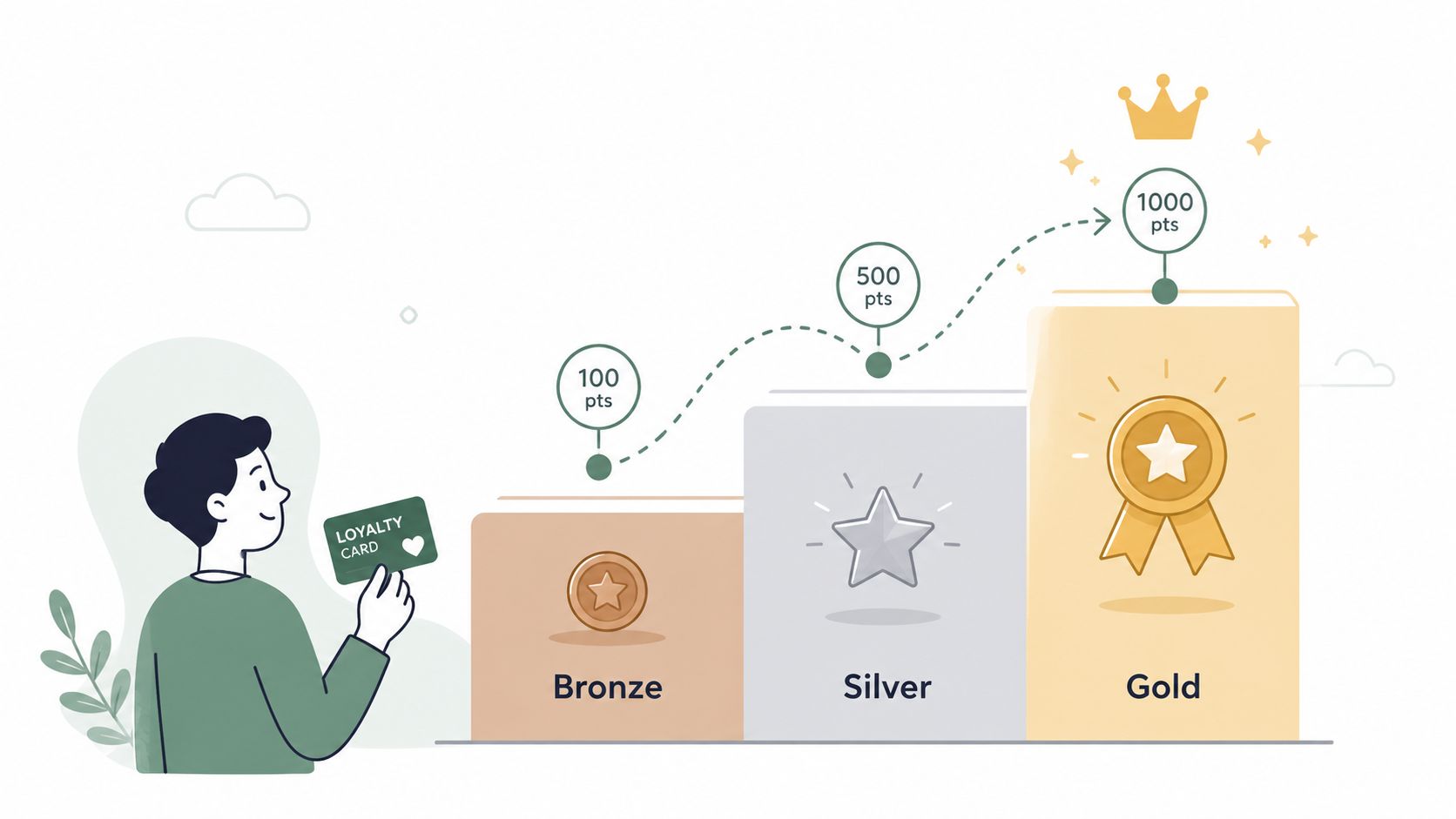
Loyalty programs work because adults also enjoy gold stars. They just want them packaged as priority access, better support, and perks that save time.
For B2B clients, especially agencies and SaaS teams, points for “engagement” usually aren't enough. They want outcomes. Amex Platinum gets this. Shopify Plus gets this. AWS enterprise pricing definitely gets this. The reward isn't confetti. The reward is advantage.
A good tiered program should feel achievable, not generous. Bronze, Silver, Gold is fine. What matters is that the next tier sits just out of reach, so clients have a reason to place one more hire, renew one more term, or expand usage instead of wandering off to a competitor.
For a platform like HireMediaBuyers, reward repeat hiring behavior with things agencies care about:
Practical rule: Tie rewards to speed, quality, and access. B2B buyers don't stay loyal for tote bags.
Transparency matters too. Publish the tier thresholds and the benefits clearly. If clients don't know what they're working toward, the program turns into decorative nonsense.
One more thing. Don't use discounts as your whole loyalty strategy. That road gets ugly fast. One retention analysis found that 12% of marketers admit they over-rely on discounts, and 68% of customers acquired via discount codes have a 40% lower retention rate than non-discount buyers. That's not loyalty. That's renting attention.
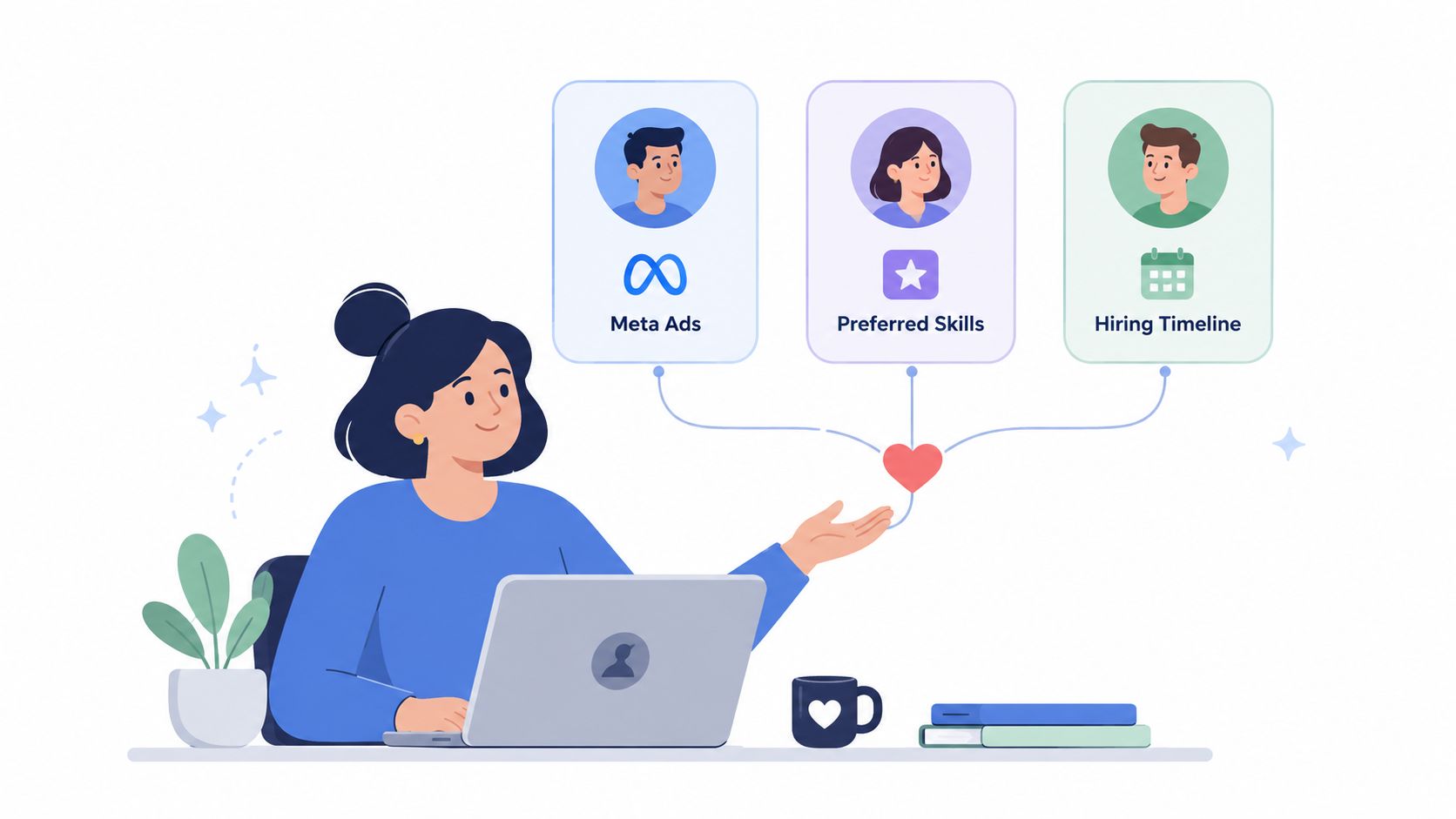
One-size-fits-all messaging is where retention goes to die.
If a client has hired three paid social specialists in a row and all three crushed Meta Ads, don't send them a generic “explore our talent network” email. Send them a shortlist that reflects what already worked. That's not magic. That's paying attention.
Notion's success teams do this well. Slack enterprise teams do too. The best account managers know the customer's workflow, friction points, and next likely need before the customer spells it out in a mildly irritated email.
Personalization starts with segmentation, but not the lazy kind. You need meaningful buckets tied to buying behavior, team structure, channel preference, and hiring patterns. If you need a clean example of how to think about that, audience segmentation for marketing teams is the right starting point.
For platform-based businesses, high-value clients should get a real account owner. Not a glorified inbox. A human who knows:
The onboarding window matters more than people admit. One smart recommendation from retention operators is to tailor the first 30 to 60 days based on what the customer bought, how similar users reorder, and the job they're trying to get done. Generic welcome emails don't build habits. Timely guidance does.
Quarterly business reviews also help, if they're actual strategy sessions and not a hostage situation disguised as an upsell call.
People stay for community long after they've forgotten the feature list.
That's why some of the strongest retention marketing strategies don't look like marketing at all. They look like a private Slack group, a partner roundtable, or a customer circle where smart operators swap notes and solve problems together. HubSpot's partner community understood this years ago. Notion's creator ecosystem did too.
If you run a platform, community turns your product from a utility into a place. That's a big deal.
For HireMediaBuyers, this could be a client-only community where agencies compare hiring lessons, discuss channel performance, and share what's working with Meta, Google, LinkedIn, or TikTok talent. Now the value isn't just access to media buyers. It's access to peers who are fighting the same fires.
A few things work especially well:
Community creates switching costs without acting clingy.
Don't open the gates to everyone on day one. Start with your best customers. Give them status. Let them shape the norms. If your sharpest clients are active, everyone else will want in.
And yes, this creates FOMO. The useful kind. The kind that makes a client think twice before leaving because they'd lose the network, not just the vendor.
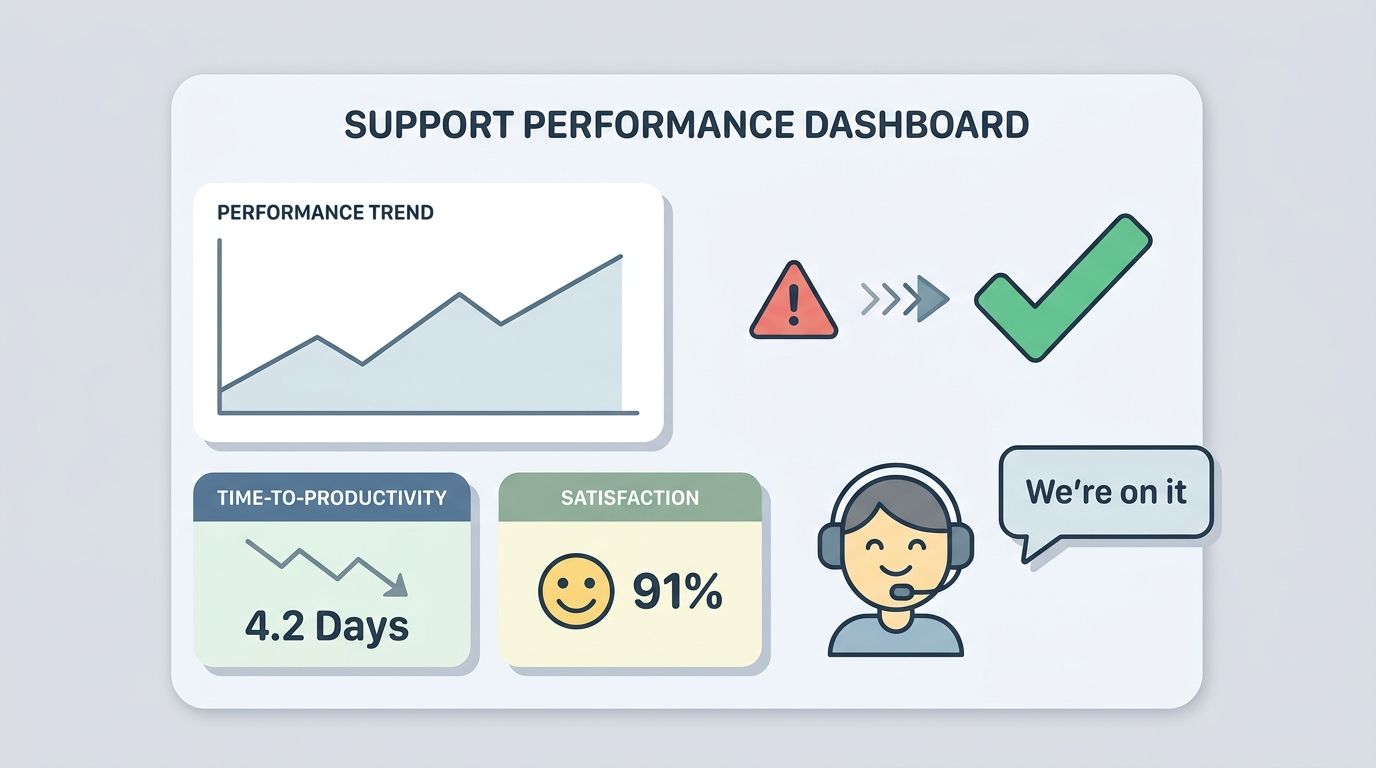
Reactive support is just damage control wearing a headset.
Real retention happens when your team spots trouble early and steps in before the client starts browsing competitors during lunch. That means tracking health signals, not just waiting for support tickets to pile up.
Teradata's guidance on data-driven retention is solid here. They point out that proactive support using predictive analytics and omnichannel engagement reduces churn, and that at-risk customer identification works better and costs less than reacting after the fact. Their write-up also highlights health scoring tied to engagement, adoption, and support signals as a trigger for early intervention and stronger repeat purchase behavior and lifetime value in practice, as covered in Teradata's data-driven customer retention analysis.
For a hiring platform, the health score should include things like candidate response times, hire progress, onboarding momentum, and early performance indicators. If a new media buyer is slow to launch, unclear on reporting expectations, or already misaligned on channel strategy, your team should know first.
That's where monthly client health reviews help. Not fluffy “how are we doing?” calls. Actual operating reviews with signals like:
If a customer has to tell you they're drifting, you're already late.
Intercom uses proactive messaging when user friction appears. Stripe alerts customers when transactional behavior changes. You should do the same with hiring outcomes, adoption behavior, and service usage.
Clients don't want more check-ins. They want fewer surprises.
Stagnant products don't keep customers. They annoy them, a frustration that builds until somebody else offers a better workflow.
You don't need theatrical launch events every month. You need useful improvements shipped consistently. Slack does this well. Figma does too. Superhuman built an entire premium business on obsessive refinement rather than giant headline features.
The trick is simple. Listen closely. Ship often. Explain why.
Teams often wait too long to release improvements because they're chasing some grand reveal. Don't. Small updates every couple of weeks beat one oversized annual release that wrecks your roadmap and your team's blood pressure.
For a platform like HireMediaBuyers, useful product improvements might include a better vetting layer, cleaner candidate filtering, stronger skill tagging, or a smarter way to surface top-fit specialists by channel and business model. If your best long-term hires share patterns, turn that learning into product logic.
Use a simple release rhythm:
A good release note says, “We noticed agencies needed faster filtering for Meta and Google specialists with B2B SaaS experience, so we changed the shortlist logic.” A bad one says, “We're excited to announce enhanced infrastructure improvements.” Nobody cares. Toot, toot.
And don't confuse noise with progress. If a feature doesn't reduce friction, increase trust, or improve outcomes, it's probably product cosplay.
A lot of churn isn't caused by a bad experience. It's caused by a rigid business model.
The client changed. Their team changed. Their hiring pace changed. Your offer didn't. So they left.
That's why flexible service tiers belong on any serious list of retention marketing strategies. HubSpot nailed this with starter-to-enterprise pathways. Notion did the same. AWS built an empire on letting customers scale up, down, sideways, and occasionally into total architectural chaos without leaving the ecosystem.
A first-time SMB buyer doesn't need the same service level as a large agency filling several media buying seats across multiple ad channels. If both get shoved into the same package, one of them feels overcharged and the other feels underserved.
For platform businesses, tier flexibility should cover:
The smart move is to price around outcomes, not feature clutter. “Scale from one to five hires a month” is a lot clearer than “includes advanced dashboard access and priority ticketing.” One sounds like business progress. The other sounds like software garnish.
Don't punish lower tiers with a miserable experience either. Today's small account can become tomorrow's enterprise client. Or tomorrow's vocal critic. Both are memorable.
If you run a talent platform, let clients move between self-serve browsing and managed support without making them renegotiate their life choices.
If you want clients to stay longer, teach them how to win on your platform.
This is one of the most underrated retention plays because it doesn't feel like retention at first. It feels like enablement. Professional development. Customer education. Call it whatever helps your team sleep at night. The effect is the same. Clients invest time learning your system, your standards, and your language. That creates stickiness.
HubSpot Academy understood this early. So did Google Ads certification and Salesforce University. The training itself has value. But the deeper value is that users become more effective inside that ecosystem.
For HireMediaBuyers, a certification program could train agencies on how to assess media buyers, structure onboarding, define paid media KPIs, and manage specialists without creating chaos in Slack every afternoon.
That kind of education does three jobs at once:
Keep the certifications practical. No one wants another decorative badge for finishing a slide deck. Build modules around the mistakes clients make. Weak scorecards. Vague briefs. Misaligned KPI expectations. Slow ramp-up because nobody documented campaign structure.
A stackable system works best. Start with hiring basics. Add onboarding. Add channel-specific management. Then reward clients and specialists who complete the track with visibility or recognition in the platform.
Teach customers how to succeed with you, and leaving starts to feel expensive.
That's the whole game.
Information creates loyalty when it helps the customer make a better decision.
If your platform sees hiring demand, talent patterns, channel specialization, and performance behavior across dozens or hundreds of accounts, don't hide that insight in your ops folder. Package it. Share it. Use it to become more than a vendor.
This matters even more in subscription and recurring revenue models, where teams often struggle to connect retention work to revenue. One retention analysis found that 73% of companies track CLV, but only 28% tie retention tactics directly to revenue impact, while 45% of subscription businesses misattribute retention gains to acquisition and 60% of revenue growth comes from customers who stay beyond 12 months. That's a lot of teams congratulating the wrong department.
For HireMediaBuyers, this could mean anonymized reporting on salary expectations, hiring velocity, channel-specific demand, or what high-performing paid media teams do differently across business stages. That's the sort of strategic layer agencies and SaaS operators can't easily build from their own sample size.
If clients are trying to prove media performance, they also need a smarter view of causality. Incrementality testing in paid media is exactly the kind of concept worth bringing into your benchmark conversations, because strong retention often follows when your platform helps clients answer harder business questions.
Use benchmarking carefully:
Gartner-style benchmark products have built whole businesses on this principle. You don't need to become Gartner. You just need to help clients feel smarter after every review.
The best way to reduce churn isn't trapping customers. It's removing the fear that one bad outcome means they have to start over somewhere else.
Bad retention teams make cancellation confusing. Good retention teams make recovery easy. Huge difference.
For hiring platforms, the most practical version of this is a replacement guarantee. If a hire doesn't work, fix it fast. Don't make the client open a support labyrinth, write an essay, and perform emotional labor just to get help.
This strategy works because it changes the customer's calculation. They no longer think, “This hire missed the mark, maybe the platform is risky.” They think, “The platform has a process for this. We'll sort it out.”
For HireMediaBuyers, the promise can be blunt and effective. If a specialist isn't delivering against agreed expectations early in the relationship, replace them without drama. Pair that with flexible terms, like the kind reflected in a cancel-anytime hiring model, and you lower the emotional friction of staying.
A few rules matter here:
Warby Parker reduced buying risk with home try-on. Amazon trained shoppers to trust the return process. A hiring platform should do the same with talent replacement. Confidence beats coercion every time.
Most B2B retention gets so operational that it forgets customers are still human beings.
That's where surprise and delight earns its keep. Not as a gimmick. As a pattern interrupt. A useful one.
The best version isn't random swag. It's something thoughtful, small, and relevant. Mailchimp has long understood the power of injecting personality into an otherwise utilitarian product. Basecamp has done the same with human touches that make customers feel seen, not processed.
For platform businesses, the easiest wins come from moments the client has already earned. A milestone. A successful run of hires. A note they made in passing about a niche need that you later addressed.
For HireMediaBuyers, that might mean giving an agency a free session with a paid media consultant after a major hiring milestone, or making an unexpected introduction to a specialist they mentioned needing for a future channel expansion.
Good surprises follow three rules:
One more thing. Veteran customers deserve the best surprises. New clients get all the courting. Long-term clients usually get an invoice and a webinar invite. That's lazy.
A handwritten thank-you, an invited advisory call, or early access to something useful won't save a broken product. But in a healthy account, those touches create emotional stickiness that logic alone can't buy. Toot, toot.
| Strategy | Implementation complexity | Resource requirements | Expected outcomes | Ideal use cases | Key advantages |
|---|---|---|---|---|---|
| Loyalty Programs & Tiered Rewards | Medium, design tiers and reward flows | Ongoing budget for discounts, CRM/points system | Predictable repeat hires, clearer LTV | High-frequency hiring agencies, volume customers | Incentivizes repeat behavior; measurable loyalty |
| Personalization & Account Management | High, combines people and algorithms | Dedicated account managers, data integration, expertise | Higher NPS, deeper retention, more upsells | High-value or enterprise clients with complex needs | Tailored service creates emotional stickiness |
| Community Building & Peer Networks | Medium, platform setup + moderation | Community managers, event/webinar resources, content | Increased engagement, organic advocacy, UGC | Knowledge-sharing industries; agencies learning from peers | Network effects; user-driven value and advocacy |
| Proactive Support & Success Metrics Tracking | High, tracking, alerts, playbooks | Analytics stack, success team, monitoring tools | Fewer silent churns, earlier issue resolution, ROI proof | Performance-sensitive hires, mission-critical roles | Prevents churn by addressing problems early |
| Continuous Product Improvements & Feature Releases | High, ongoing development and QA | R&D, product managers, QA, roadmap communication | Improved retention via evolving value, competitive edge | Platforms competing on features and matching quality | Keeps product relevant; builds long-term moat |
| Flexible & Scalable Service Tiers | Medium, packaging, billing, migration flows | Tiered support staff, billing systems, operational flexibility | Better fit across growth stages; smoother upgrades | Diverse customer sizes from SMBs to enterprise | Lowers entry barrier; enables customer lifetime growth |
| Education & Certification Programs | Medium, curriculum and credentialing | Content creators, instructors, LMS/platform | Higher customer investment, certified advocates | Marketplaces valuing skill credentials and quality hires | Locks users in via skills; drives credibility and referrals |
| Data-Driven Insights & Benchmarking | High, data collection, anonymization, analysis | Data engineers, analysts, dashboard tools, privacy controls | Strategic advisory positioning; higher switching costs | Clients needing benchmarking and strategic guidance | Actionable insights prove ROI and inform decisions |
| Exit Friction & Ease of Replacement Guarantees | Low–Medium, policy + operational process | Replacement pool, support processes, clear SLAs | Reduced churn from perceived hiring risk | Risk-averse or trialing customers, high-volume hiring | Removes hiring risk; builds trust and accelerates scaling |
| Surprise Delight & Unexpected Value Adds | Low, small initiatives with cultural buy-in | Small budget, customer intelligence, executional processes | Strong emotional loyalty, word-of-mouth referrals | Long-term customers and high-touch accounts | High-impact, low-cost moments that create affinity |
There you have it. Ten ways to stop pouring money into a leaky bucket.
The common mistake is thinking retention is a soft discipline. It isn't. It's operational, measurable, and brutally connected to revenue. The companies that keep great customers don't do it with one heroic email or one discount blast sent at 4:47 p.m. on a Thursday. They build systems. Loyalty systems. Support systems. Data systems. They make staying feel smart.
And yes, acquisition still matters. Of course it does. You can't retain customers you never win. But too many teams act like the answer to every growth problem is “more top of funnel.” Sometimes the answer is that your existing customers need better onboarding, clearer account management, stronger guarantees, and fewer reasons to drift.
The best retention marketing strategies also work together. A loyalty program gets stronger when account managers use it well. A benchmarking report lands better when community gives customers a place to discuss it. A replacement guarantee means more when proactive support has already built trust. This isn't a bag of isolated tactics. It's an operating model.
If you're in SaaS, agencies, recruiting, marketplaces, or any platform business, I'd start with one simple question. Where are customers losing confidence? Not where your dashboard says they clicked less. Where they stopped feeling certain you were the best option. That's the leak.
Then fix one thing this quarter. Just one. Launch the tiered rewards program. Clean up onboarding in the first month. Put real account management behind your top clients. Create a replacement policy that removes anxiety instead of feeding it. Start a customer community that people want to visit. Pick the tactic that attacks your biggest trust gap first.
You don't need a grand transformation to improve retention. You need consistency. You need follow-through. You need the kind of discipline that isn't flashy enough for social media but does wonders for cash flow.
Do that, and a nice thing happens. You spend less time chasing every new lead with the desperation of a founder who just discovered payroll is due. You spend more time deepening relationships with customers who already know your value, buy again, and tell other people about you.
That's the sane version of growth.
Now go make your CFO happy.
If you need paid media talent without the usual recruiting circus, HireMediaBuyers.com is built for exactly that. The platform helps US agencies, SaaS companies, DTC brands, and in-house teams hire pre-vetted Media Buyers and Paid Ads Specialists fast, with flexible full-time or part-time options, transparent monthly pricing, easy replacements, and cancel-anytime terms. If you want to keep clients longer, start by hiring better people to drive the results that make leaving feel irrational.


